
Hot flushes, brain fog, mood swings…
and that’s all just before breakfast!
Welcome to Menopause!
You're still hot....
just in entirely new
and unpredictable ways
What is Menopause?
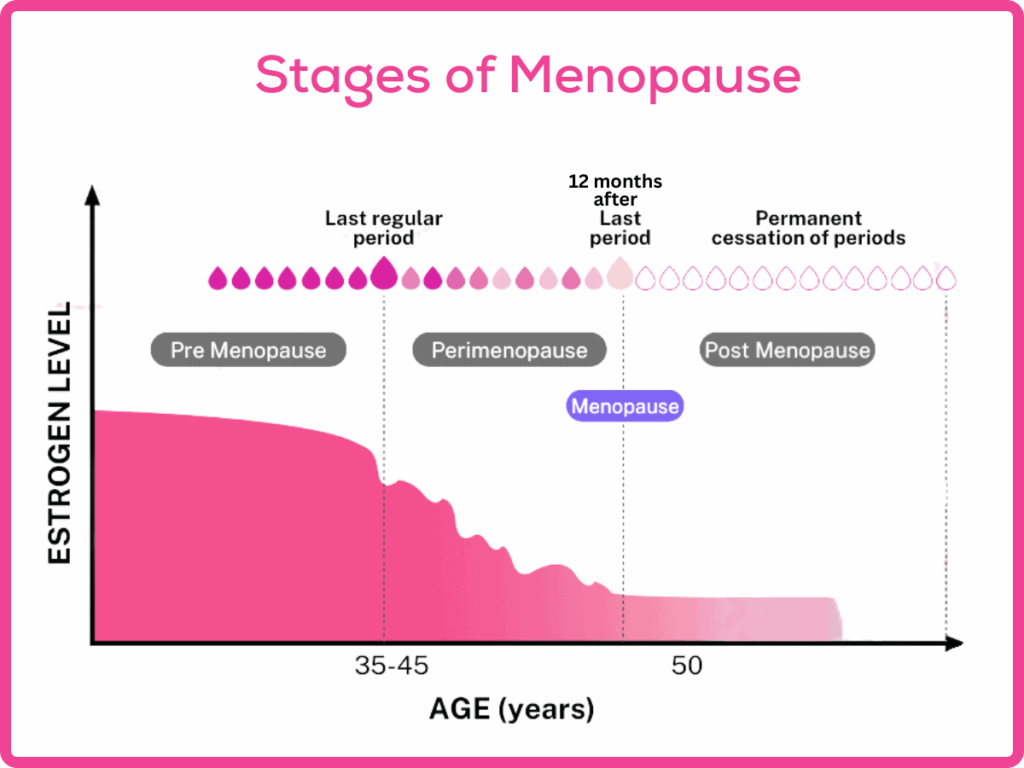
Menopause is a single point in time when you’ve gone 12 months without a period —usually between the age of 45 and 52 – the average age is 51. It happens when your ovaries slow down hormone production. Sometimes it’s sudden (due to surgery or treatment), but often it’s a gradual shift. Menopause before the age of 45 is called early menopause and if it occurs before age 40 it is called premature menopause. If a woman has not yet reached menopause by age 55, it’s called delayed menopause or late menopause.
Early Menopause:
- Genetics plays an important part in whether a women is predisposed to early or delayed menopause. A case-control study found women with a close relative who experienced menopause before age 46 had 6 times higher odds of early menopause; the risk rose to 9–12 times if a sister or multiple relatives were affected.
- Certain chronic health conditions, including thyroid disorders like Hashimoto’s, and autoimmune diseases (Lupus, Inflammatory bowel Disease, Rheumatoid arthritis can cause early menopause.
- Chromosomal abnormalities – Some rare genetic conditions can trigger early menopause. One example is Fragile X syndrome, where abnormalities on the X chromosome affect ovarian function. Even though women have two X chromosomes, a defect on just one can be enough to disrupt hormone production and bring on menopause years before the average age. Turner syndrome is a genetic condition that affects females. It happens when one of the X chromosomes is missing or incomplete. Typically, females have two X chromosomes (XX), but women with Turner syndrome have only one complete X chromosome (45,X) or have structural abnormalities in one of the Xs.
- Viral infections (e.g., mumps, cytomegalovirus, HIV)
- Long-term smoking or heavy smokers has also been associated with a shorter reproductive lifespan and earlier onset of menopause.
Induced menopause could also be categorised as early menopause and may be caused by:
- Oophorectomy (when both ovaries are surgically removed) and/or Hysterectomy – menopause begins right away. It is more intense than the normal transition.
- Viral infections, like mumps, cytomegalovirus,or HIV
- Chemotherapy or radiation Therapy
- Ovarian damage from other Surgeries (E.g. cyst removal or damage to the ovary)
- Pelvic Injury
- Gender Affirming hormone therapy
Delayed menopause is often influenced by genetics. Genetics play a major role. If you have a close relative—especially a sister—who experienced menopause later than average, your chances of doing the same are higher. The number of childbirths also matters; women who’ve had more children often go through menopause at a later age.
Lifestyle habits are just as important. Regular physical activity and a consistently balanced diet can support a longer reproductive lifespan. In particular, diets rich in fruits, lean proteins, complex carbohydrates, and antioxidant-packed drinks like tea have been linked to later menopause.
Hormonal shifts during menopause can bring a mix of physical and emotional changes—like weight fluctuations, hot flashes, and changes in metabolism. But you’re not alone, and you don’t have to just “deal with it” or accept it as something to suffer through.
There are proven ways to manage your symptoms and improve your quality of life—through lifestyle adjustments, nutrition, mindset shifts, and when needed, medical support. We will show you how.
The Stages of Menopause
The stage leading up to Perimenopause is referred to as Pre-menopause. Pre-menopause is your reproductive years, when your menstrual cycles are generally regular. There are typically no signs of transition yet—no hot flashes, no irregular periods—just the normal rhythm of your monthly cycle. And then the transition begins…..
Perimenopause: Think of this as the warm-up. It can start years before menopause, in your 40’s. (They say life begins at 40….) Hormones, most notably Estrogen and Progesterone, begin to fluctuate erratically, and you might notice symptoms like hot flushes, mood swings, or irregular cycles. This is when women experience the majority of the symptoms especially as they approach Menopause. Perimenopause can last 4-10+ years.
Menopause: This is the milestone moment—when your periods stop for good and it signals the start of a new phase. And while Menopause is officially just one day and a point in time, 12 months after your last period, it is also an umbrella term people use. for all three phases.
Post-menopause: Welcome to the after-party! This stage lasts the rest of your life. Most symptoms settle down, but it’s good to keep an eye on your health as lower estrogen levels can affect bones and heart health.
Menopause does not have to feel like a life sentence. It is not normal to be suffering through Menopause. Other than Estrogen and Progesterone dropping drastically, the food we consume is one of the primary drivers for hormone imbalance, which cause a lot of the symptoms. If we can address gut health, inflammation, and hormone imbalance (like cortisol and insulin) through lifestyle changes, many of these symptoms can be controlled.
For many women it is the best part of their lives! You are also in the prime of your sex life and it’s time to have some fun!
Menopause Symptoms by Body Systems
Menopause symptoms can be grouped in several ways which will help you to understand and manage them better.
Listed below are menopausal symptoms grouped by body or physiological symptoms.
Symptoms can also be categorised together into Inflammatory, Gut Health and Cortisol groups
in order to manage symptoms more effectively.

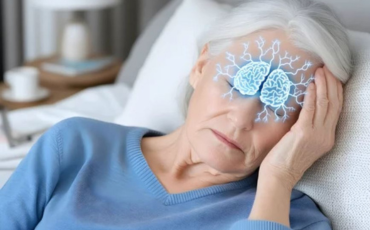
Neurological
• Insomnia & sleep disturbances
• Headaches or migraines
• Dizziness or vertigo
• Poor Co-ordination and balance
• Disorientation
• Electric shock sensations
• Tingling extremities (hands/feet)
• Burning Mouth or Tongue
• Sensory Sensitivity (Noise, Smell, light)

Cognitive Systems
• Mood swings & irritability
• Anxiety & panic attacks
• Depression / crying spells
• Low motivation
• Brain fog
• Memory lapses
• Difficulty concentrating
• Poor word recall
• Feeling Overwhelmed
• Confidence waning

Vasomotor Symptoms
• Hot flushes
• Night sweats
• Excessive sweating
• Strong Body Odour
• Cold chills
• Sudden heat intolerance
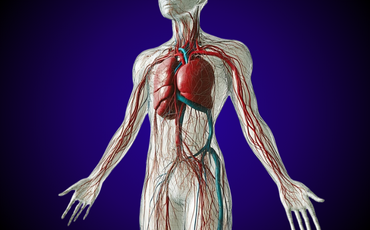
Cardiovascular System
• Heart palpitations
• Irregular heartbeat
• Increased blood pressure
• Increased cholesterol levels
• Chest tightness (non-cardiac)
• Poor circulation (cold extremities)
• Dizziness (can also be neurovascular)
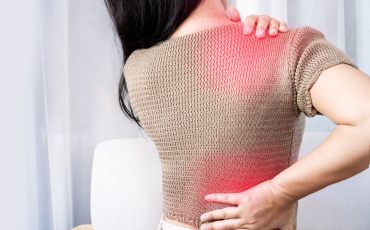
Musculoskeletal System
• Joint pain
• Muscle aches and cramps
• Lower Back & neck pain
• Stiffness (especially in the morning)
• Reduced muscle mass
• Frozen shoulder
• Decreased bone density (osteopenia/osteoporosis)
• Increased risk of fractures
• Osteoarthritis flare-ups
• General fatigue and weakness
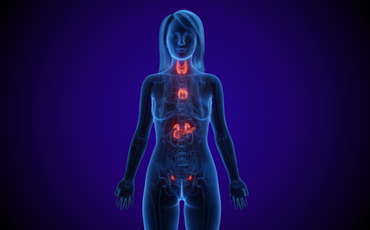
Endocrine System (Hormones)
• Irregular periods
• Heavier or lighter periods
• Hot flushes
• Night sweats
• Excessive sweating
• Cold chills
• Sudden heat intolerance
• Weight gain or Belly fat
• Slowed metabolism
• Fatigue
• Thyroid dysfunction symptoms
Metabolic System
• Weight gain (especially belly fat)
• Slower metabolism
• Fatigue / chronic tiredness
• Insulin resistance
• Increased cholesterol
• Blood sugar fluctuations
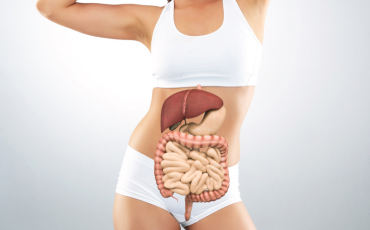
Digestive System
• Bloating
• Gas
• Indigestion
• Constipation
• Irregular bowel movements
• Weight gain
• Food intolerances
Immune System
• Increased susceptibility to colds
• Increased infections (UTIs etc)
• Slower recovery from illness
• Increased inflammation
• Slower wound healing
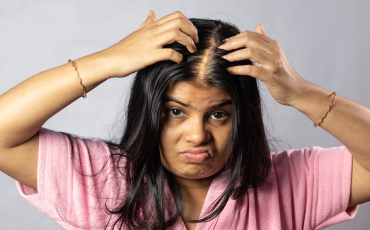
Integumentary System
• Dry skin
• Itchy skin (pruritus)
• Skin rashes or sensitivity
• Crawling skin sensation
• Acne or adult breakouts
• Loss of skin elasticity
(formication)
• Thinning hair
• Hair loss or shedding
• Brittle nails
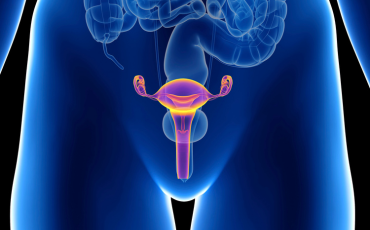
Reproductive System
• Decreased vaginal elasticity
• Vaginal thinning (atrophy)
• Vaginal dryness
• Vaginal itching or burning
• Painful intercourse (dyspareunia)
• Loss of libido
• Changes in cervical mucus
• Irregular periods or cessation
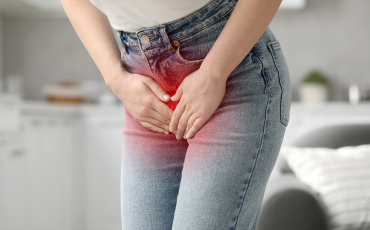
Urinary System
• Frequent urination
• Urinary urgency
• Incontinence (stress or urge)
• Burning sensation during urination
• Recurrent urinary tract infections
• Bladder pressure or discomfort
• Weak pelvic floor
• Leaking when you cough, giggle or sneeze
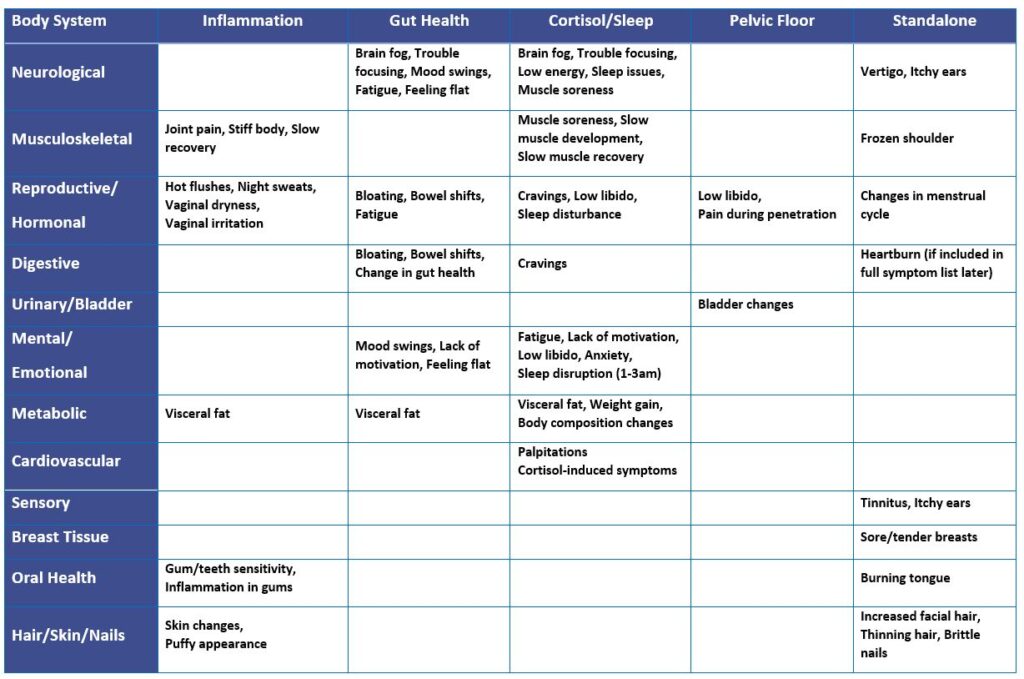
Manage your symptoms by grouping them into Categories
Menopause symptoms can feel confusing and overwhelming, but there’s a better way. At Menopause Muse, we help you take control by grouping your symptoms into 4 core categories plus an additional 2 areas of focus:
- Gut Health,
- Inflammation,
- Cortisol & Sleep, and
- Pelvic Floor & Core Strength.
- Exercise to maintaining muscle mass and bone density
- Supplements
Most symptoms—like hot flushes, brain fog, weight gain, and anxiety—are linked to hormone shifts. But with the right nutrition and lifestyle support, you can reduce or even eliminate them naturally.
By understanding which category your symptoms fall into, you’ll get targeted, effective solutions that actually work. And if you’re struggling with weight gain, visceral or belly fat? We’ll help you decode whether it’s rooted in inflammation, cortisol, or gut imbalances—so you can treat the cause, not just the symptoms.
Ready to reset your body, reclaim your confidence, and reignite your passion?
You’re in the right place. The table below groups the symptoms by Body System and into 4 categories to manage those symptoms

About Menopause Muse
I guide women in perimenopause and menopause to
reset their bodies, reclaim their confidence
and reignite their passion
with real, sustainable wellness strategies.
Feedback & Reviews
“ What an informative and fun session! Never thought it would be like this. Was quite scared at first. Enjoyed it a lot.
Thanks so much.
You Rock!.”
“Thanks Yolanda for really clearing up some questions I was even afraid to ask on Google.
I learned a lot!”
“I enjoyed the info about a woman’s body the most.
Thank you for answering all the questions I was too shy to ask.”